


Exploring the Benefits of Dance and Ballet Education Across All Ages
Dance is renowned as a universal language the world over. It is an art form that resonates with people of all ages, improves movement and expression, and transcends cultural boundaries. Whether the elegant artistry of a seasoned professional or the playful steps of a toddler, everyone loves dance. But to truly benefit, individuals need an appropriate dance education. Ballet, in particular, offers numerous benefits and is accessible and rewarding for both adults and children.
A common question among aspiring dancers and parents is, “What is the right age to start ballet?” The truth is, there’s no “right” age to begin ballet; each stage of life contributes uniquely to skill development.
While many people are drawn to ballet for its elegance, great workout, technicality, or simply because it’s a captivating activity, this blog aims to explore how ballet classes benefit us at any stage of life. Whether starting at 2 years old or 85 years old, ballet offers valuable skills and opportunities for personal growth.
A Personal Note
As someone deeply passionate about ballet, I often reflect on how ballet is more than just an art form—it is, in many ways, life itself. Through my own experience, I remember being particularly skilled and confident in ballet during my childhood. I was always highly energetic and struggled with focus during my elementary school years. However, my love for ballet and the cognitive skills I developed through it helped me excel academically and manage my behavior effectively.
After I stopped ballet around the age of 13, I noticed a significant difference in my performance and personal growth. This personal insight has led me to understand the profound impact ballet has on developing key skills that we sometimes overlook and inspired me to support my child through dance classes as well.
Ballet provides a strong foundation for training in any sport. For example, my son, who plays tennis for over 12 hours a week at just 8 years old, could greatly benefit from incorporating just two additional ballet classes each week into his routine.
This cross-training could significantly enhance his performance on the tennis court by reducing the risk of injury, strengthening his ankles, improving flexibility, enhancing balance and stability, boosting coordination and agility, increasing strength and endurance, and promoting better posture and alignment—similar to the benefits experienced by tennis players like Novak Djokovic and Maria Sharapova. Additionally, ballet can improve mental focus and discipline. I’ll explore this topic in more detail another time, focusing on how ballet can support tennis training. For now, I wanted to share how impactful ballet can be for our kids in various aspects of life and sports.
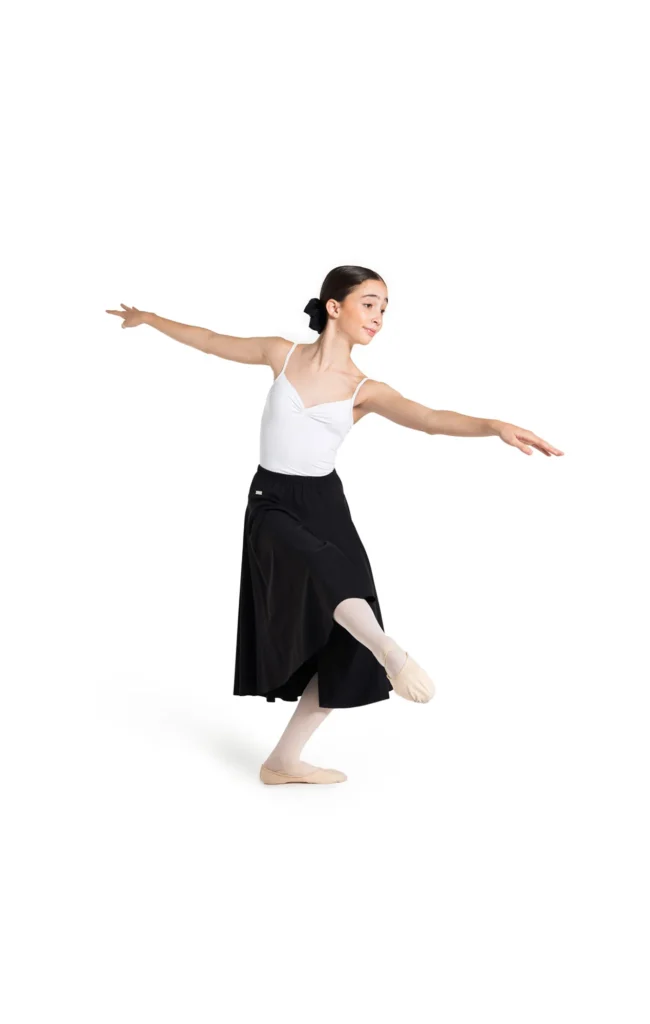
Benefits of Dancing
Dance education is valuable at any age, but starting early is ideal as it nurtures a love for movement, develops motor skills, and fosters creativity. Dance provides children with opportunities to build a solid learning foundation, offering an engaging and playful environment that helps them express themselves.
Ballet, in particular, cultivates several essential skills that positively impact our lives. The discipline, balance, and resilience learned through ballet practice can translate into overcoming life’s challenges and fostering personal growth. These skills support both physical and cognitive development, enhancing life balance and personal effectiveness.
Here’s a closer look at how ballet benefits us:
Motor Skills:
Ballet enhances coordination, balance, and muscle control. These improved motor skills translate into greater precision and efficiency in tasks at work or school, such as operating machinery or handling complex tasks with dexterity.
Cognitive Benefits:
Studies suggest that dancing can improve brain function. The New England Journal of Medicine (2003) found that dance might boost mental health and reduce the risk of dementia. Dancing involves synchronizing with rhythm, spatial awareness, and coordination, engaging multiple areas of the brain. This mental stimulation can improve cognitive functions, including memory, concentration, and problem-solving.
Emotional and Social Skills:
Dance offers significant emotional and social benefits. Performing in front of an audience can help dancers feel relaxed and at ease, while taking lessons fosters new friendships and teamwork. Ballet encourages communication and the ability to follow instructions, essential for effective collaboration in educational and professional settings. Additionally, ballet provides a healthy outlet for expressing and managing emotions, contributing to better emotional regulation and resilience.
Artistic and Creative Development:
Ballet stimulates creativity and problem-solving skills. It enhances divergent thinking and boosts cognitive processes, leading to improvements in working memory and reaction times. Dancing enables expressive communication and fosters creative thinking, which can positively influence various life areas, including professional projects and personal hobbies.
Spatial Awareness:
Ballet develops an understanding of body position and movement in relation to space. This refined spatial awareness improves navigation and awareness in everyday life, contributing to better organizational skills.
Confidence:
Ballet builds self-esteem and self-assurance through skill development and performance. Increased confidence can positively impact personal and professional pursuits, enhancing self-image and motivation.
Discipline:
Ballet instills a sense of commitment, focus, and perseverance through regular practice. This discipline translates into improved time management and work ethic, crucial for achieving long-term goals.
Support for ADHD and Anxiety:
Ballet can be particularly beneficial for children with ADHD and attention span issues. It helps improve focus and concentration by requiring children to concentrate on specific movements and sequences. Ballet can also boost dopamine levels, aiding cognitive function and managing ADHD symptoms. Dance Movement Therapy (DMT) helps in teaching self-control and fostering social interaction, contributing to overall focus and well-being.

Practice/Rehearsal Tutu – White
Additional Benefits of Ballet:
In addition to the above mentioned foundational skills, ballet also offers several lesser-known benefits:
- Strengthens the Immune System: Regular physical activity from ballet boosts overall health and immunity, contributing to a stronger immune system.
- Improves Respiratory Efficiency: Controlled breathing techniques in ballet enhance lung capacity and respiratory function, benefiting overall health and endurance.
- Promotes Better Sleep Patterns: Physical exertion and mental relaxation from ballet practice can improve sleep quality and help regulate sleep patterns.
- Supports Joint Health: Ballet strengthens muscles around the joints, helping to stabilize and protect them, reducing the risk of injury and promoting joint health.
- Enhances Emotional Intelligence: Ballet encourages self-expression and emotional regulation, leading to a deeper understanding of one’s own emotions and those of others.
- Facilitates Neuroplasticity: The complex movements and learning processes in ballet stimulate neuroplasticity, supporting cognitive growth and mental agility.
- Cultivates Patience and Perseverance: Mastering techniques and routines in ballet teaches patience and perseverance, valuable traits for overcoming life’s challenges.
- Improves Postural Alignment: Ballet promotes proper alignment and posture, alleviating issues like back pain and maintaining a balanced and healthy posture throughout life.
- Enhanced Discipline and Routine: The structured environment of ballet classes helps develop a sense of discipline and time management, fostering self-regulation and organizational skills.
- Increased Physical Activity: Ballet provides a healthy outlet for physical energy, reducing restlessness and improving behavior, making it easier for children to stay engaged in school.
- Boosted Self-Esteem and Confidence: Success in ballet can enhance self-esteem and confidence, contributing to a more positive attitude toward academic and social challenges.
- Improved Executive Functioning: Ballet develops skills such as planning, sequencing, and problem-solving, aiding in task management and following instructions in school.
Conclusion
Ballet offers a rich tapestry of benefits that extend far beyond the dance floor, impacting both personal and professional growth. Whether starting at a young age or later in life, ballet nurtures essential skills such as discipline, balance, and creativity, which enhance cognitive and emotional development. Beyond its artistic allure, ballet contributes to physical health, mental well-being, and social skills.
By embracing the multifaceted advantages of ballet, we gain a deeper appreciation for how this timeless art form can profoundly enrich our lives and the lives of those around us.
Sorry, the comment form is closed at this time.
Pingback: Finding the Perfect Age for Ballet: A Mom’s Guide to Starting Ballet for Your Child - L’atelier Tutu