
Finding the Perfect Age for Ballet: A Mom’s Guide to Starting Ballet for Your Child
Introduction
In relation to dance, ballet is an attractive art form, offering numerous benefits. Whether adults or kids, everyone can become a part of it. But every aspiring dancer tends to ask one question; What is the right age to start ballet? Since every child has his or her own development / growth rate, there isn’t a definitive answer to that question.
However, there are three stages of development that can provide the optimal ages and general guidelines for ballet. Those stages are social, physical, and mental development. In this blog, we will break down the benefits for starting ballet in each stage of a child’s age and what ballet holds for them in each stage.
If you need any help on why ballet is great for your child and the more extensive benefits, have a look at our “Exploring the Benefits of Dance Education Across All Ages” blog.
1. Pre-School Age (2-5 years old)
In the pre-school years, children have a wonderful opportunity to explore ballet as a playful and fun activity. At this age, they can build body awareness, motor skills, coordination, spatial awareness, and balance. They also begin to learn basic positions and creative movements. During this age, ballet classes focus on instilling a love for the art rather than on technical skills.
Pre-school ballet introduces many dance basics through game-like activities, such as relevés and pliés. Instructors are mindful of short attention spans and use musicality, props, and varied activities to engage the children. At this stage, the focus is more on developing their self-confidence and expression rather than technique. Regular classes lay the foundation for future training, helping kids gain balance, improve coordination, and strengthen their bones.
Additionally, the early years are crucial for role play, where children emotionally connect with dance costumes, tutus skirts, leg warmers, dance skirts, tiaras, and ballet clothes. These elements of dress-up play enhance their imagination and help them relate more deeply to the dance experience, enriching their engagement and enjoyment.
2. Elementary School Age (5-8 years old)
Children in elementary school are generally ready to dive deeper into ballet classes, whether at a semi-competitive or recreational level. Between the ages of 5 and 8, children begin to expand their social, motor, and cognitive capabilities. They start to achieve better awareness and control of their smaller muscles, can follow multi-step instructions, and maintain concentration for longer periods of time. The social aspect of dancing also helps in building their relationship skills.
In elementary ballet classes, children are introduced to more formal positions and terminology. They start learning ballet history and essential ballet vocabulary, which includes specific terms and phrases used to describe positions, movements, and techniques. Many of these terms are derived from French and are fundamental to understanding and performing ballet correctly, such as plié, ronde de jambe, and pirouette. In some dance academies, students may be required to keep a dance diary or book to document what they have learned.
Class etiquette is also crucial at this age, as children must learn to behave appropriately in class and during performances. This includes adhering to the dress code, showing respect for the teacher, maintaining personal space, using props correctly, focusing on proper technique, observing attentively, supporting and encouraging peers, and adapting to corrections.
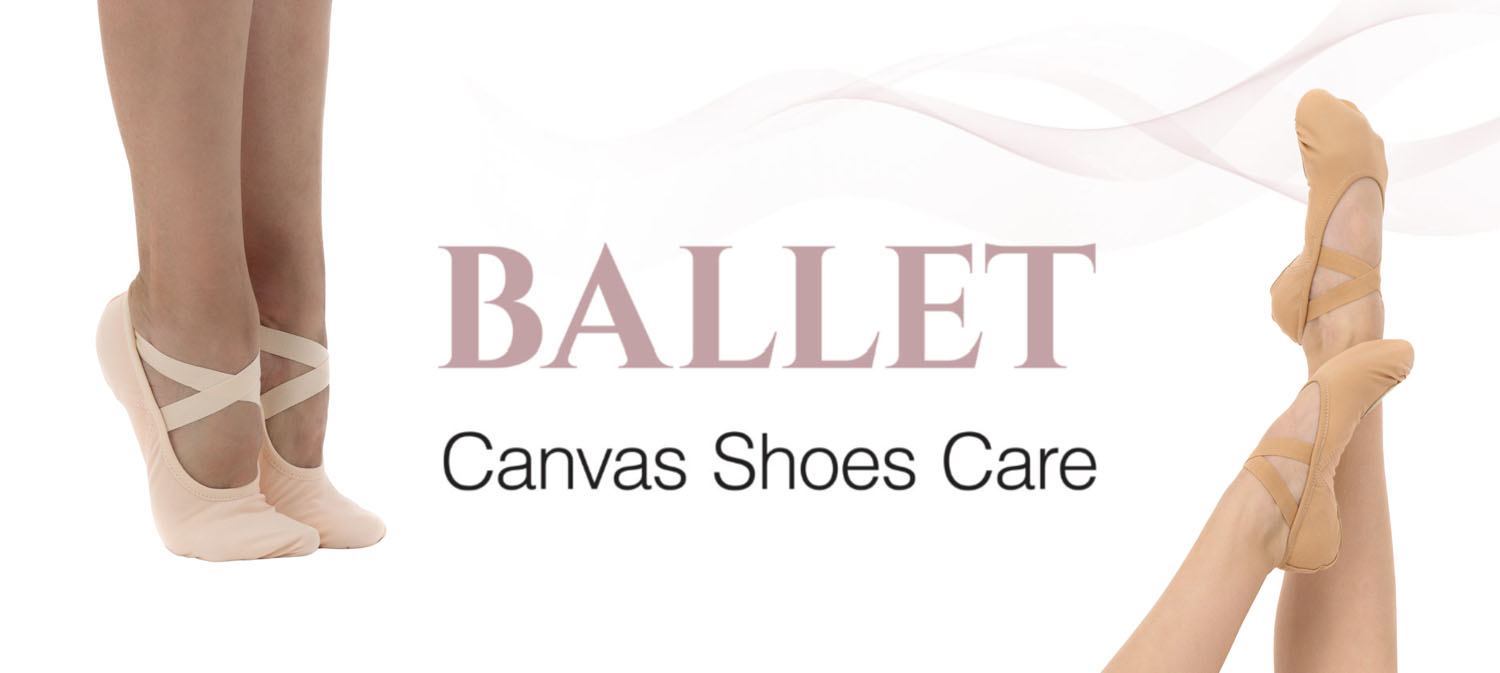
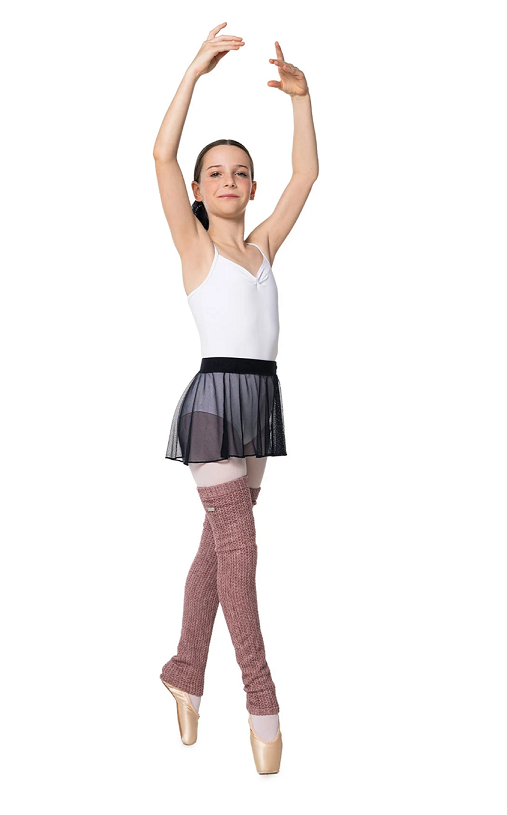
At this age, it is important for children to adhere to a more formal and structured dress code. This includes wearing ballet pink canvas ballet shoes, ballet tights, ballet leotards, and ballet skirts.
Starting ballet at this age provides a wonderful opportunity for children to develop discipline, strength, and stamina while cultivating a love for dance. The structured environment of ballet classes helps them build confidence, improve their technique, and prepare for future performances. It’s a formative time where they can enjoy the artistic and physical benefits of ballet while gaining valuable life skills that will support their overall growth and development.

Our Celeste Technical Ballet Shoes
3. Pre-Teen Age (8-12 years old)
Intensive ballet training typically begins during the pre-teen years, around ages 8 to 12, a time when children experience significant physical and personal growth. Although this is when many dancers start diving into more complex techniques, it’s also a great time for beginners to start ballet. At this age, children develop greater flexibility, strength, and coordination, which can enhance their learning experience. For more extensive benefits, have a look at our “Exploring the Benefits of Dance Education Across All Ages.” blog.
Even if your child is just starting now, they will benefit from the structured environment of ballet classes. They can join classes that are designed for beginners, which will focus on foundational skills, including flexibility, coordination, and basic techniques. While they might not initially be doing advanced moves or choreography, they’ll still gain important skills such as discipline, focus, and confidence.
Dancers at this age often practice at home in addition to attending classes, which helps them improve their performance skills and physical literacy. With the right guidance, they can progress well and enjoy the many benefits of ballet. Additionally, ballet provides a supportive and nurturing environment that can help build their self-esteem and personal growth.
So, if your child is interested in ballet, it’s definitely a great time for them to start. Ballet can offer a strong foundation in both technique and personal development, setting them up for success in their dance journey.
Additionally, they can benefit from the excitement and opportunities that come with ballet galas and performances, where premium rehearsal skirts and dancewear can enhance their experience and confidence.

Practice/Rehearsal Tutu – White
4. Teenage Years (13-18 Years Old)
Adolescence is a time of profound physical and emotional change, as teens transition from childhood to adulthood. For those who have been involved in ballet since early childhood, this stage represents a crucial period to refine their skills and potentially pursue professional training. Bodies undergo significant transformations, affecting flexibility, muscle development, and overall physicality, which can enhance ballet performance.
At this age, dedicated ballet students often focus on advanced techniques, artistry, and performance skills. If your child has been training in ballet from an earlier age, they will have the advantage of a solid foundation, allowing them to tackle more complex choreography and refine their technique. Specialized intensive programs during these years can provide valuable support in areas such as time management, strength training, injury prevention, and nutrition, helping them to achieve their dance goals.
However, if your child is just starting ballet at this stage, it’s still a fantastic time for them to begin. Ballet training can offer numerous benefits, including improved discipline, strength, and coordination, as well as a supportive community. While they may not initially be working on advanced techniques or pursuing a professional career, they will still gain valuable skills and experiences.
Teenagers who begin ballet later can still make significant progress and enjoy the many benefits of dance. Ballet provides a structured environment that fosters personal growth, confidence, and resilience. With dedication and the right guidance, they can still achieve great results and find joy in their dance journey.
For those interested in enhancing their ballet experience, participating in ballet galas and performances with premium rehearsal skirts and dancewear can further enrich their experience.
Conclusion
When it comes to choosing ballet, there is no perfect age to start. Each child progresses at their own pace, whether in their preschool, elementary, pre-teen, or teenage years. What’s important is fostering a love for dance and supporting your child’s interest in ballet at any stage. Parents should pay attention to their child’s needs and encourage their passion for ballet. Ballet dancing dresses play a crucial role in this journey.
If you are looking for innovative and inspiring dancewear to elevate your dance journey as well as everyday life in Dubai, choose L’atelier Tutu. We help you find the perfect ballet clothing according to your ballet requirements, ensuring your child feels confident and comfortable as they grow and develop their love for dance.