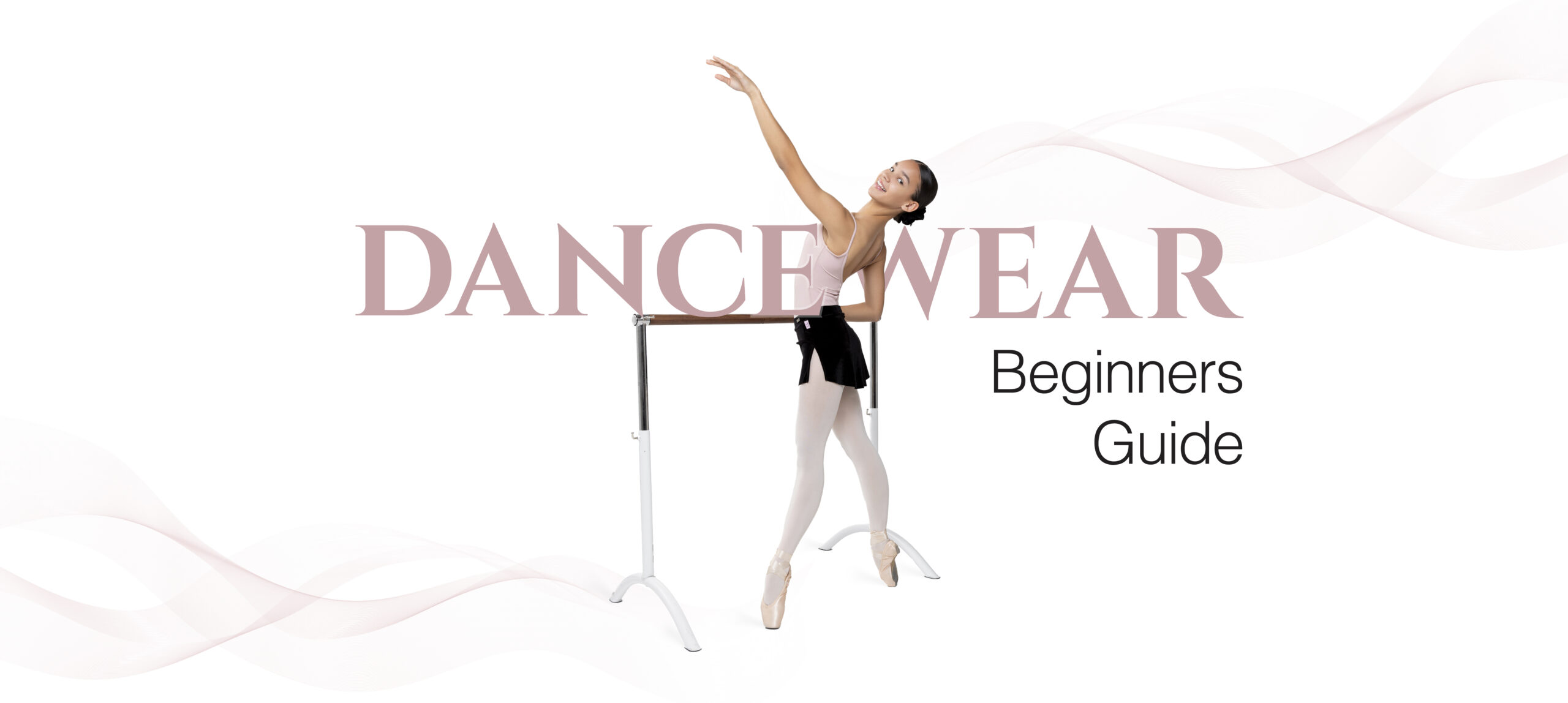
New to the world of Ballet or Dance? Here’s what you need to know about Dancewear!
So, you’ve signed up for your, your daughter’s, or your son’s ballet class. But as you prepare for the first session, you have no idea what to wear to the class. Fear not, here’s a complete guide to address all your queries regarding dancewear and what you should wear for your ballet classes, courtesy of L’atelier Tutu.
As one of the most technical and refined forms of art, Ballet can be both intimidating and exciting. Some factors are key for a successful ballerina, such as, respecting your teacher, being punctual, valuing your ballet friends, and being open to feedback. However, dressing appropriately is without doubt the most important factor.
The ballet dress code is the epitome of elegance, femininity, and sophistication. If you, or your child are starting ballet, adhering to this dress code is crucial. Following are some factors that you should consider when choosing dancewear.
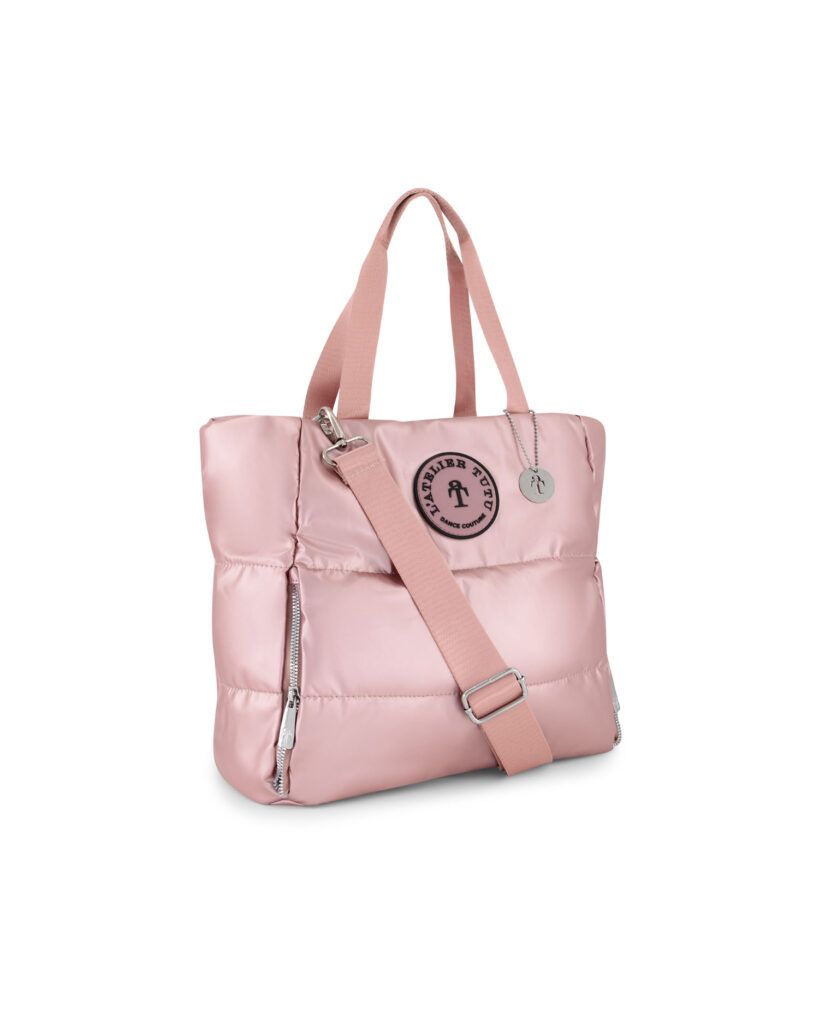
Crucial Factors to Consider When Selecting Ballet Attire
Comfort
Choosing the right outfit is essential for ballet. Comfort is crucial in ensuring a full range of motion, so choose stretchable and breathable clothing which will provide you with comfort and flexibility during your ballet classes.
Dancewear Fabric
Make sure you choose ballet wear made from high-quality, stretchable materials such as nylon, cotton, or spandex. These fabrics provide both comfort and flexibility, which are crucial while dancing or athletic activities. It’s also important to find pieces that are neither too loose nor too tight to avoid discomfort or hindrances during your ballet classes.
Size Fit
Select Dancewear tops and bottoms that fit your body type, paying close attention to the length of the dancewear to ensure that it fits you perfectly. For ballet, leotards, tights, and tutus are staples that enhance the grace and elegance of the art form. Ballet slippers should be well-fitted to allow for precise movements.
Dress Code For Ballet
Leotards
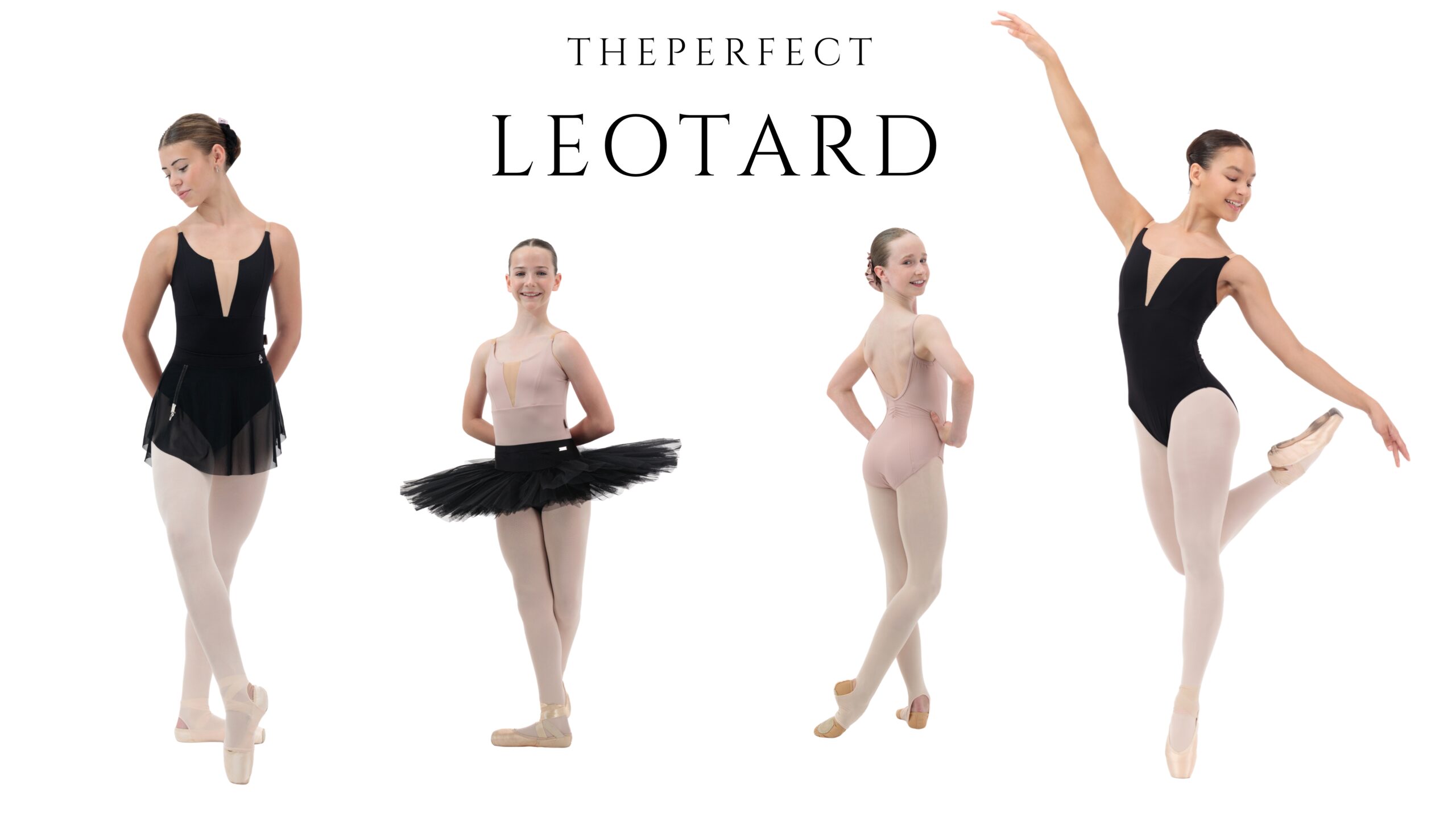
The regular dress code for a ballet class starts with a leotard, a versatile piece of dancewear, available in a wide range of colors, unique designs, and styles at our online dancewear shop. A leotard should accentuate your best features, suiting your body shape while supporting a full range of motion and stretching.
To ensure comfort and practicality, select a leotard made from a high-quality cotton, lycra, or a blend of materials that provide both stretch and durability. This helps dancers maintain their focus on body movements without the distraction of frequent adjustments, or mishaps, during class.
Ballet leotards are available in various styles to suit different needs and preferences. This can include leotards with shorts, regularly called unitards or biketards, thick or thin straps for support or style, crisscross straps for comfort, crewnecks for modesty, and backless designs for a modern look. You may also choose from 3/4 sleeves, long sleeves, or short sleeves, of course, depending on your class or performance requirements.
Choosing The Right Leotard
Here’s a pro tip; when selecting a leotard, focus on the fitting. A well-fitting leotard should hug your body without being too tight, allowing you to move gracefully through all your dance moves. The color of the leotard can also be significant as traditional ballet classes typically favor classic colors like black, pink, or white. However, some schools or studios may have specific dress codes or allow for more creative expression in advanced levels.
By understanding the different styles and choosing the right leotard, you can enhance your ballet experience and embrace the elegance of this beautiful art form.
Tights
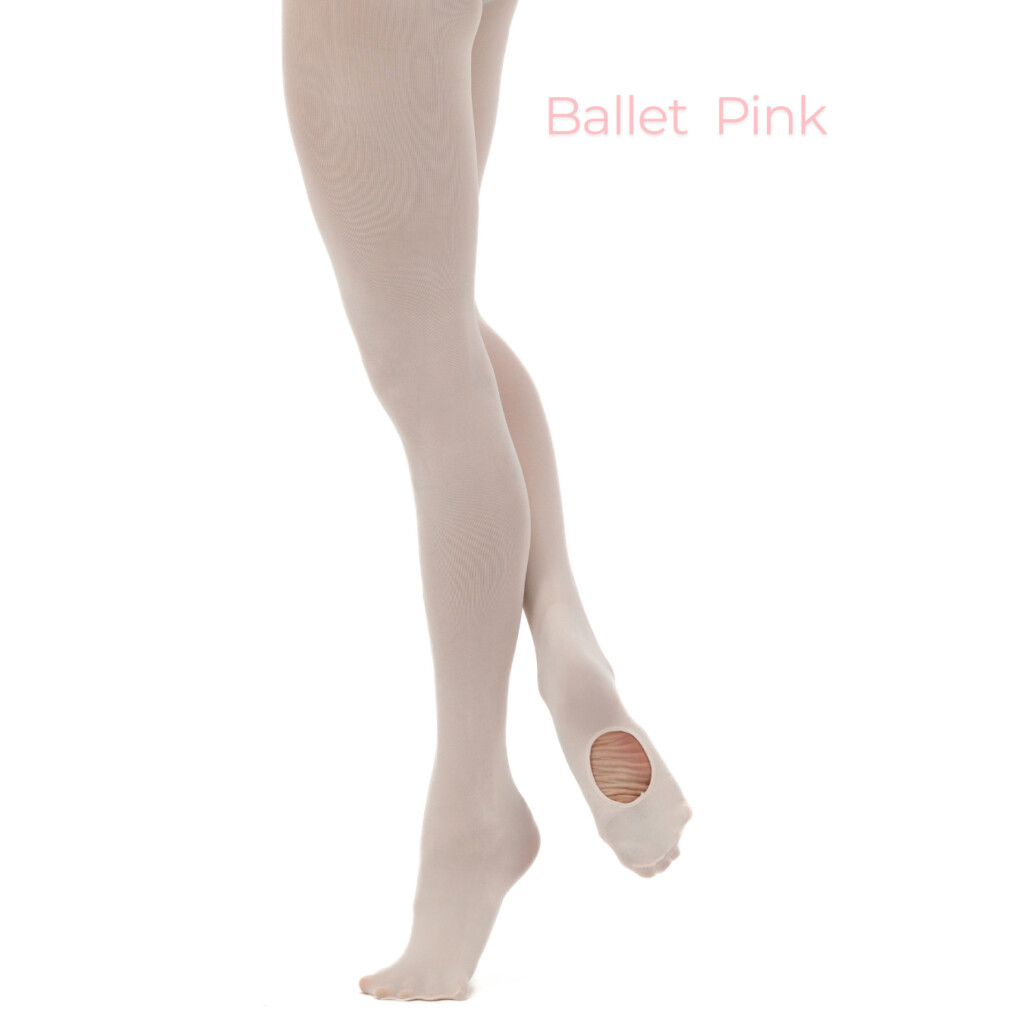
Ballet tights are a crucial component of a dancer’s attire. It offers support and aesthetic enhancement. Ideally, they should be soft and flexible to provide muscle support while elongating the leg line for an elegant appearance.
For ballet classes, standard ballet pink is a popular choice due to its ability to accentuate the dancer’s form and movements. For performances, theatrical pink tights are often preferred, as they blend seamlessly with stage lighting and costumes. When selecting ballet tights, consider those made from durable, high-quality materials that offer a comfortable fit and the right amount of stretch. This ensures that dancers can move freely and confidently, whether in practice or on stage.
Ballet shoes
Ballet shoes or slippers are an essential component of a dancer’s attire, crucial for both beginners and professionals. They offer the necessary support and flexibility for developing strength and mastering key ballet techniques. For beginners, ballet slippers provide a better connection to the ground than socks, crucial in helping build proper technique and balance.
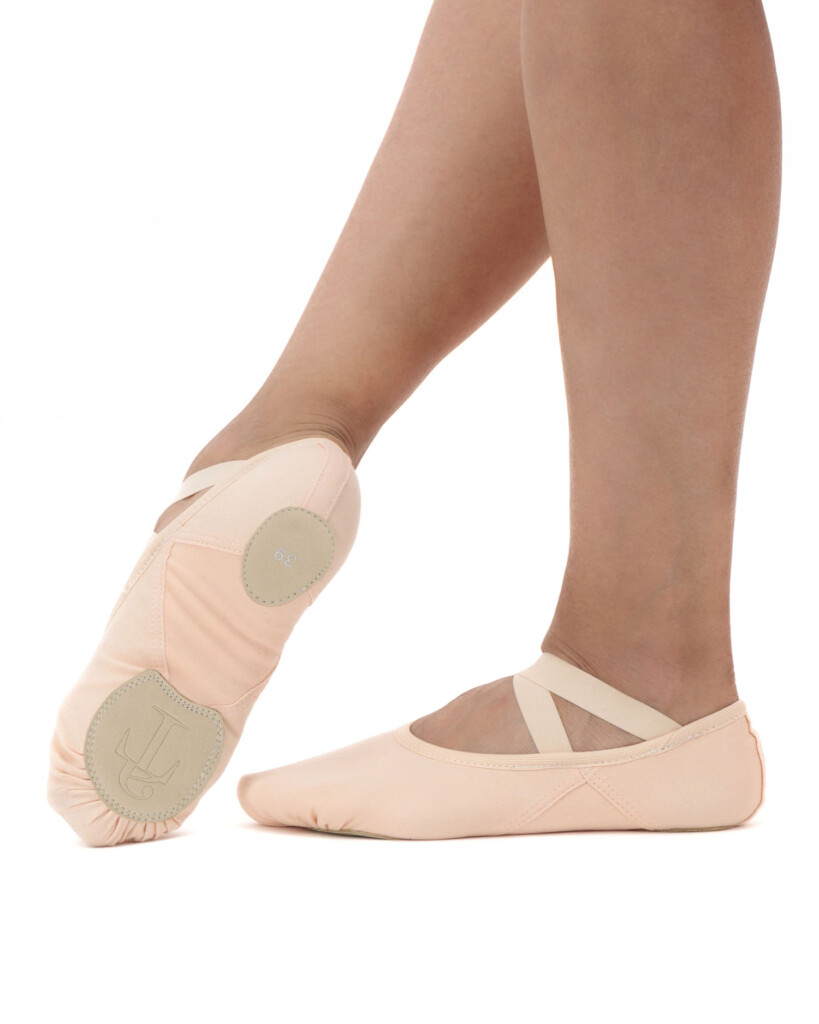
Celeste Technical Canvas Dance Shoes
L’atelier Tutu’s ultra-light ballet shoes are designed and developed with high-quality fibers for durability, comfort, and flexibility. Featuring micro-cushioning and impact-absorbing technology, as well as a split sole design, these slippers enhance performance by allowing a full range of motion while providing the necessary grip and support for all levels of ballet practice for better performance.
Ballet Hair: A Classic Tradition
Ballet dancers maintain a neat and practical hairstyle as it helps in focusing fully and solely on technique and performance. One of the most iconic and widely practiced hairstyles for ballet is the ballet bun, which keeps hair securely in place and avoids distractions during class or performance. Mastering basic ballet hairstyles, such as the low chignon and high ballet bun, is an important first step for dancers. With more experience, you might learn advanced styles like the French twist, which offers a sophisticated look for formal occasions.
The key tools for creating these styles include a fine hairnet, a comb or brush, bobby pins, and large, sturdy two-to-three inch hairpins. It’s also important to use fabric elastic hair bands and avoid elastics with metal parts or rubber bands as they can damage your hair over a period of time. The attention-to-detail in ballet hairstyles reflects discipline and grace, helping dancers present a professional appearance.
Ballet Skirts or Rehearsal Skirts
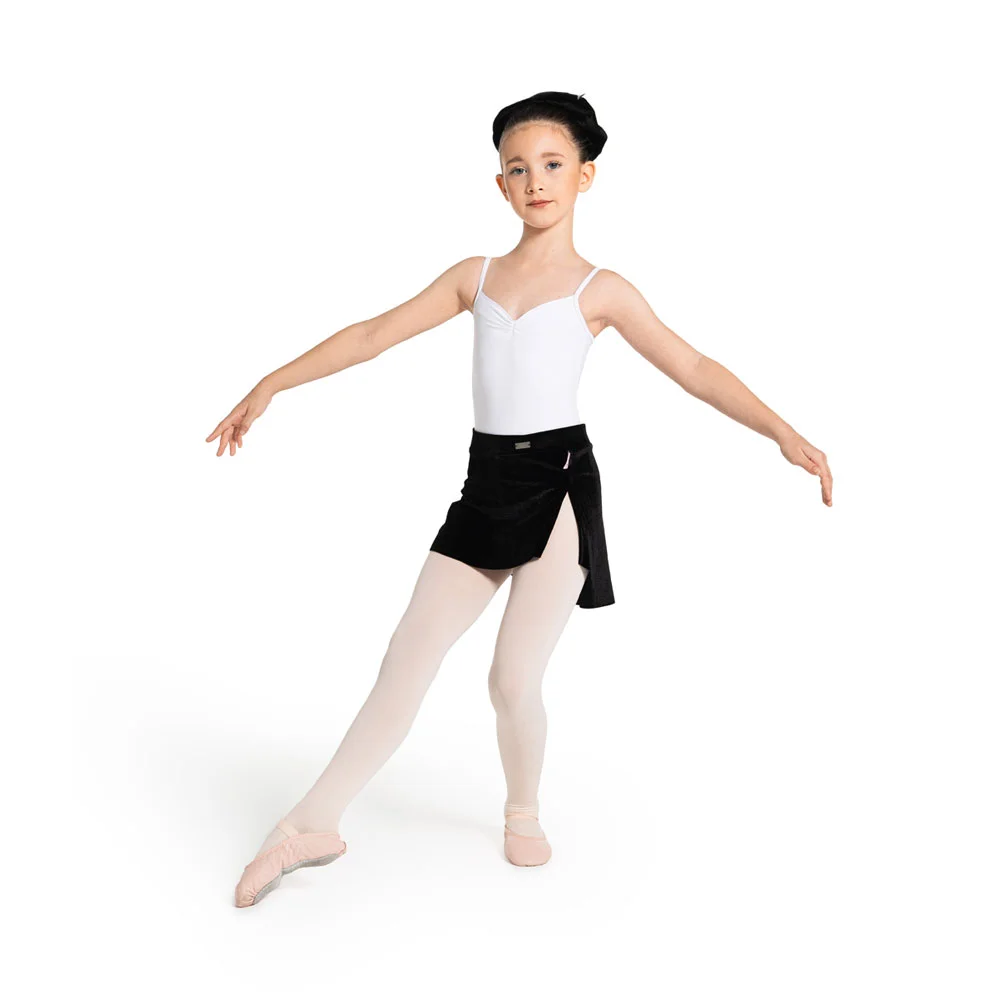
Ballet Attitude Velvet Slit Skirt
Ballet skirts are considered optional; however, many experienced ballet dancers choose to wear them over their leotards for a more feminine look, especially during practice sessions at the dance studios. When picking out a ballet skirt, you must avoid overly voluminous designs, and opt for simpler styles instead. This ensures that the skirt does not get in the way or restrict movement during practice and performance.
While longer skirts offer an elegant and flowing appearance, shorter skirts reveal more of the legs and enhance your form. Opting for the right skirt helps maintain grace and ease in your movements while reflecting the classic beauty of ballet.
Warm-Ups
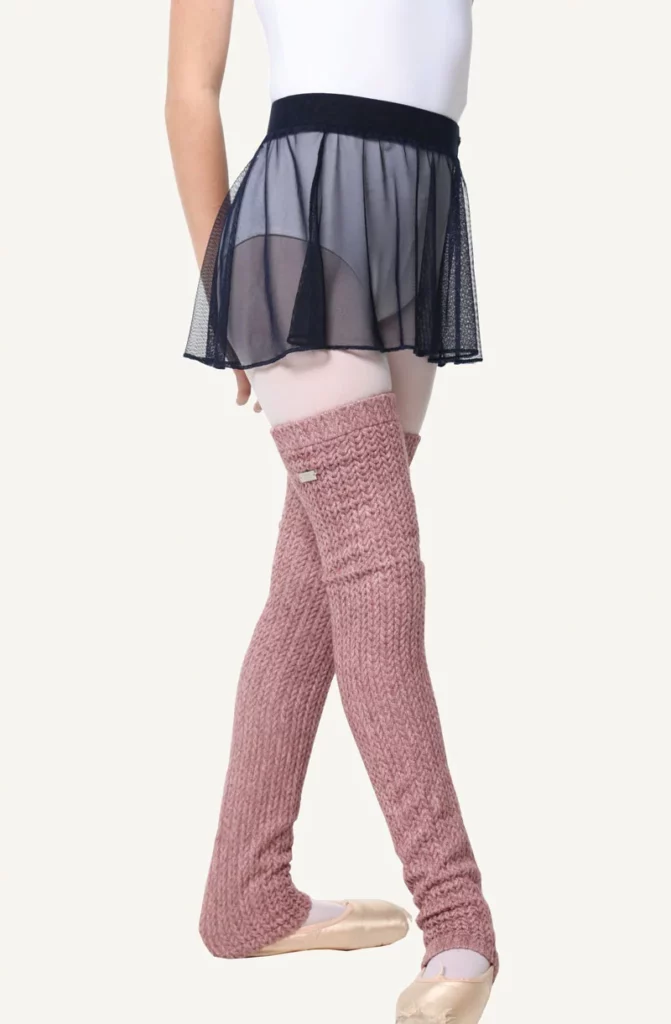
The final key component for a ballet dancer is proper warm-up gear, which helps prepare the body for rigorous practice and performance. Ballet warm-ups are designed to keep the muscles warm, prevent cramps, and help with flexibility. Common warm-up items include ripstop fabric pants, shorts, sauna rompers, and jumpsuits, which provide comfort during the early stages of a class or rehearsal.
On top of that, arm warmers, leg warmers, and wrap sweaters are some of the most popular choices for dancers. Arm warmers and leg warmers help maintain muscle warmth and prevent injuries, while wrap sweaters offer an extra layer of warmth for the upper body. By incorporating these warm-up essentials into your routine, you embrace a key aspect of ballet culture that values preparation and care for the dancer’s body, reflecting the discipline and professionalism of the art form.
Conclusion
As we’ve discussed above already, picking out the right dancewear is not just about looking the part, but it’s an important step in embracing the traditions and discipline of ballet and other dance forms. Each component of attire – from leotards and tights to ballet slippers and warm-ups – plays a crucial role in supporting your practice and expressing the elegance of the art form.
By understanding and adhering to these dress codes, you honor the rich history of ballet and set the foundation for you or your child’s success in dance. The right attire helps you move with grace, confidence, and joy as you set out on this beautiful journey of dancing.